
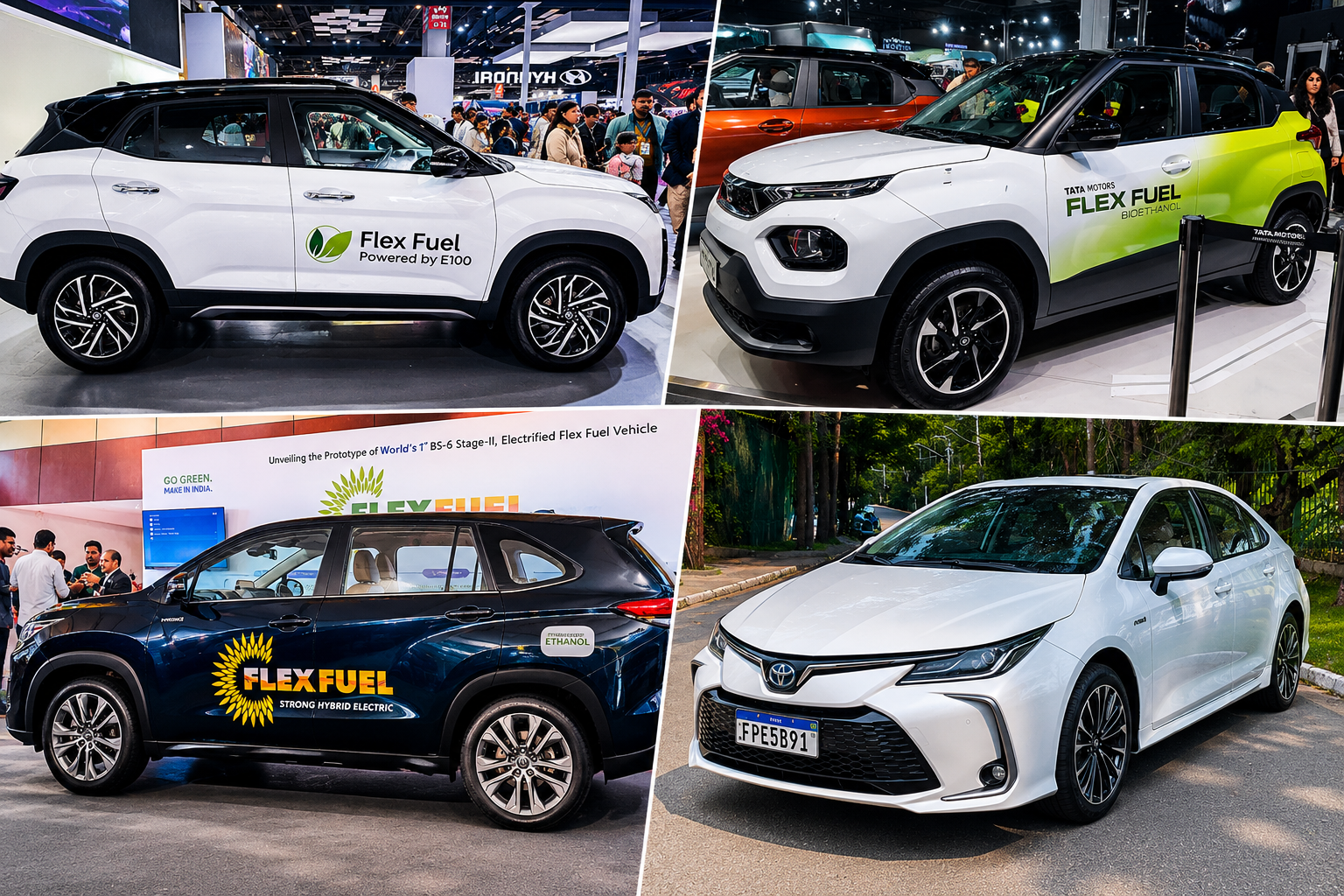
Flex-fuel technology is emerging as an important step in India’s push toward alternative fuels and reduced dependence on conventional petrol. Maruti Suzuki has already made history by becoming the first automaker in the country to begin production of a flex-fuel vehicle with the Wagon R Flex Fuel. Meanwhile, manufacturers such as Toyota, Hyundai, and Tata Motors have also showcased flex-fuel models and prototypes, highlighting their readiness for an ethanol-powered future.
As the network of E85 fuel stations continues to expand across India, the number of flex-fuel vehicles is expected to grow in the coming years. Here’s a look at some of the most notable flex-fuel cars that have been showcased in the country so far.
Toyota Corolla Flex-Fuel Hybrid
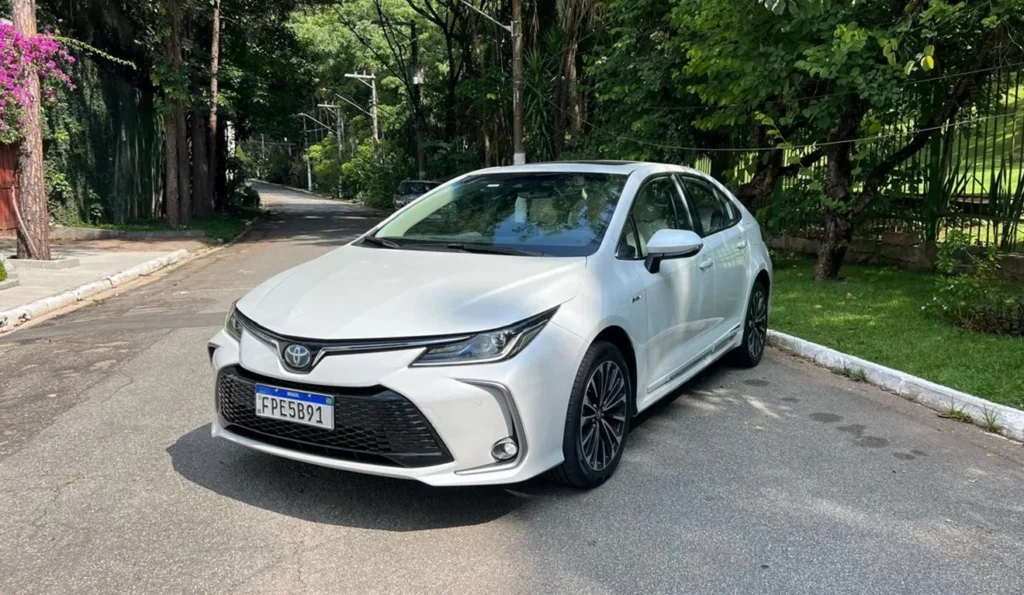
Toyota demonstrated its advanced flex-fuel technology with the Corolla Flex-Fuel Hybrid in October 2022. The sedan combines a 1.8-litre petrol engine with a strong hybrid system, delivering 102hp of power and 142Nm of torque.
One of the vehicle’s biggest highlights is its ability to run on E100 fuel (100 percent ethanol). Although Toyota currently has no official plans to launch the model in India, the company has stated that the technology is ready and could be introduced if E85 or pure ethanol fuel becomes widely available across the country.
Toyota Innova Hycross Flex-Fuel Prototype
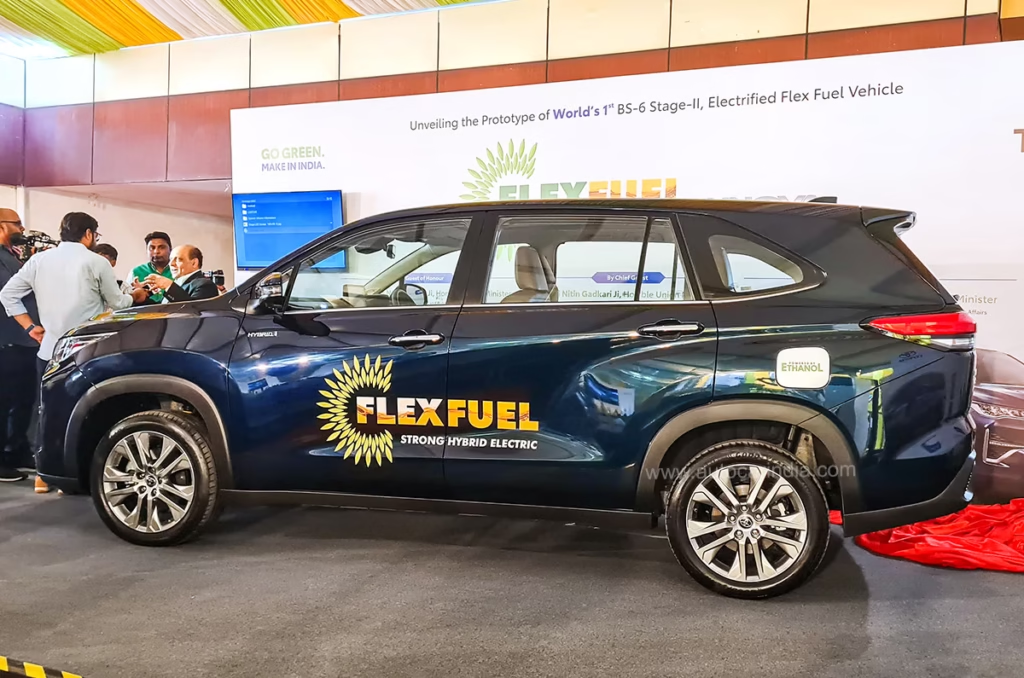
In August 2023, Toyota unveiled a flex-fuel prototype based on the Innova Hycross. The vehicle retains the standard model’s 2.0-litre Atkinson-cycle petrol engine paired with an electric motor but features several modifications to support ethanol-based fuel.
To improve durability and ethanol compatibility, Toyota revised components such as the spark plugs, piston rings, valves, and valve seals to better resist moisture and corrosion. The prototype also includes a three-way catalytic converter to help reduce emissions, while the fuel filter, fuel pump, and fuel lines have been upgraded to handle higher ethanol blends.
Tata Punch Flex-Fuel
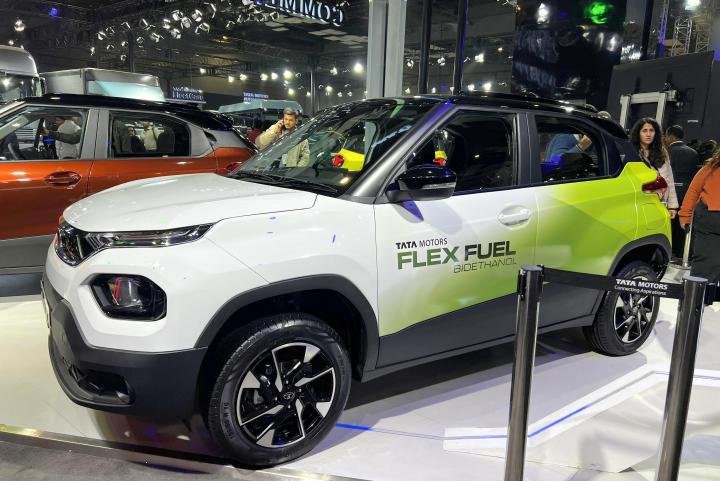
Tata Motors entered the flex-fuel segment by showcasing a flex-fuel version of its popular Punch SUV. Based on the pre-facelift model, it is powered by a 1.2-litre petrol engine producing 88hp and 115Nm of torque.
The engine has been engineered to operate on ethanol blends of up to E85. To support flex-fuel functionality, Tata modified the ECU software, fuel injection system, and exhaust after-treatment components, allowing the vehicle to adapt efficiently to varying ethanol concentrations.
Hyundai Creta Flex-Fuel
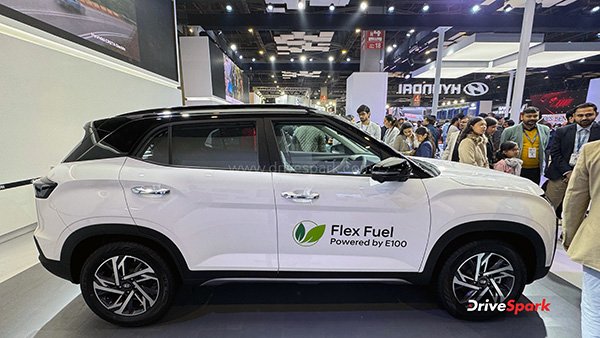
At Auto Expo 2025, Hyundai showcased the Creta Flex-Fuel as a demonstration of its preparedness for alternative-fuel technologies. This version differs from the regular India-spec Creta available in the market.
Instead of the standard 1.5-litre petrol engine, the flex-fuel model uses a 1.0-litre turbo-petrol engine that is also found in the Venue and i20 N Line. The engine produces 120hp and 172Nm of torque and has been modified to run on E100 ethanol. It is paired with a 6-speed torque-converter automatic transmission.
Conclusion
The Indian government continues to promote ethanol-based fuels, while E85 infrastructure is expanding steadily across the country. As a result, flex-fuel vehicles are expected to play an increasingly important role in the future of India’s automotive industry. These vehicles can help reduce dependence on conventional petrol while supporting cleaner and more sustainable transportation. With growing infrastructure and policy support, more automakers are likely to introduce flex-fuel models in the Indian market in the years ahead.