
Apple issued a crucial software patch fixing a critical flaw that once enabled the police to retrieve deleted chat messages from their iPhones.
The bug, which alarmed privacy enthusiasts and cybersecurity experts, was allegedly utilized by law enforcement to retrieve messages that were deleted or were meant to be self-destructing by default.
What Was the Bug?
The flaw did not occur within the messaging app, but rather in the iOS’s notification system.
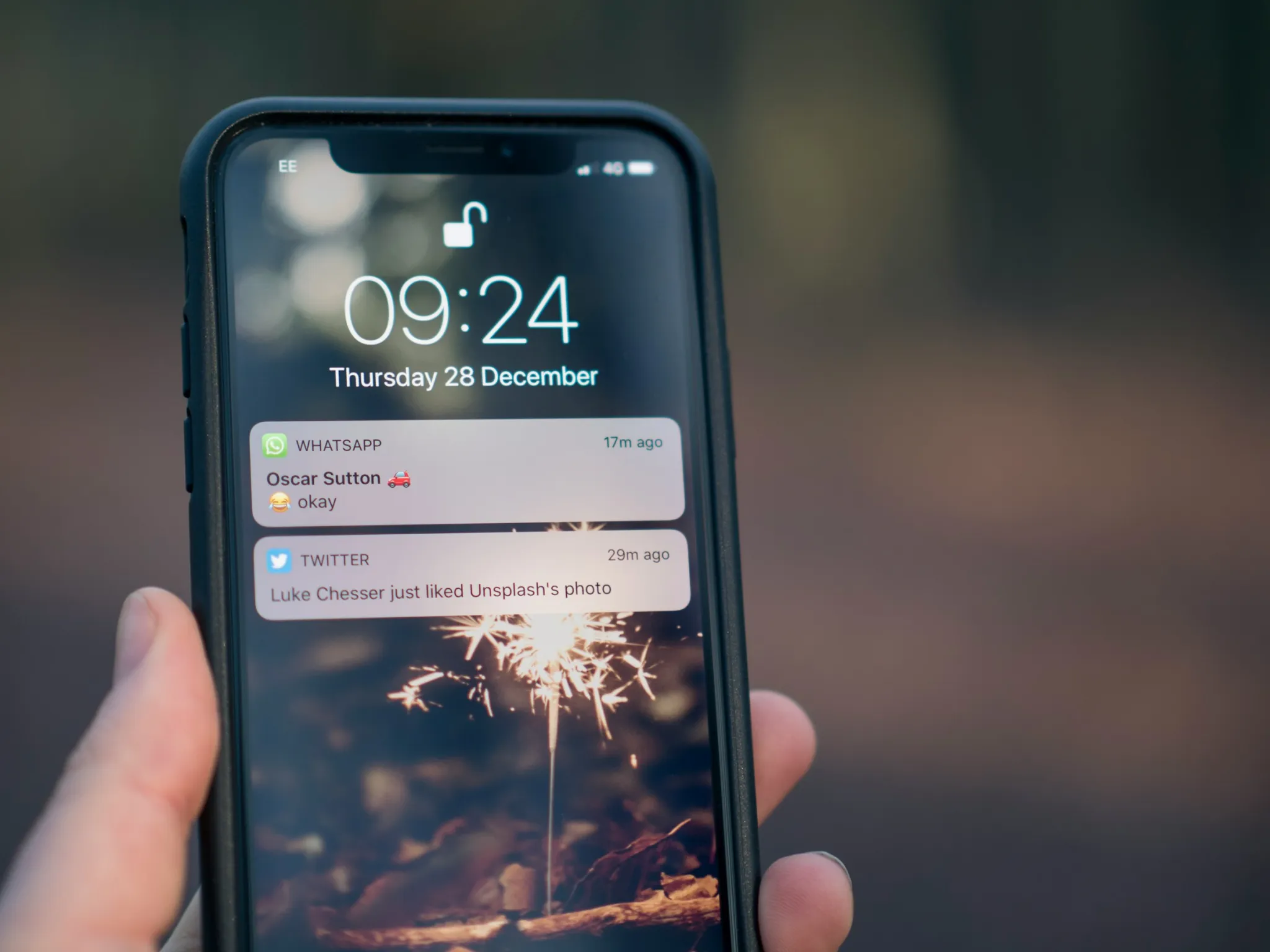
As soon as one gets a message from applications such as Signal or others, a preview of this message pops up on the lock screen as a notification. Regardless of the fact that the user deletes it or if it has been deleted through auto-disappearing settings, the content of the message would be left in the device.
According to reports, this message preview is saved on an internal database by iPhones for a period of one month.
Consequently, even after the deletion of a particular message from an iPhone, the notification content may persist.
How Did the Law Enforcement Exploit It?
The police exploited this bug using forensics tools, allowing them to extract the notification previews from the database.
Sometimes, it turned out, messages could be recovered even when:
The chat had been deleted
The messaging application was removed from the phone entirely
Messages had been set to self-destruct after delivery
It is quite clear that in such circumstances, the privacy of users was compromised as the bug left data outside of the application where it normally existed, which means there were no encryption features to protect it.
Apple’s Fix
According to the company’s security bulletin, the vulnerability was related to the fact that:
“Notifications marked for deletion could be unexpectedly retained on the device.”
Nowadays, however, thanks to recent fixes, including iOS 16.4.2, such bugs have been sorted out and deleted notifications are no longer stored by mistake.
How Does It Affect Users
One should remember that while deleting a message directly in the application, users cannot be sure that all copies will disappear.
Despite end-to-end encryption, sometimes sensitive information may leave the application and get stored elsewhere in the system—such as in the form of notifications, backups, or cache.
Therefore, users:
Should assume that deleted messages are not necessarily gone completely
System-level data may cause extra privacy issues
Regular updates are crucial for maintaining their privacy
Privacy vs. Law Enforcement Rights Discussion
Privacy Versus Law Enforcement Controversy
The case also serves as a further illustration of the existing tension between privacy advocates and the interests of law enforcement agencies.
Indeed, Apple has always been known as a company focused on user privacy, often having disputes with law enforcement agencies about accessing user information.
While some believe that this access would help solve crimes more efficiently, others warn that loopholes in terms of privacy would lead to abuses and decrease people’s trust toward the platform.
Tips on How to Protect Your Privacy Better
While Apple has already resolved the problem with deleted messages, here are several steps to take for better protection:
Turn off message previews on the lock screen;
Ensure your iPhone’s software corresponds to the latest iOS version;
Choose apps that have reliable security and privacy features;
Monitor notifications settings.
For example, opting for “No Content” notifications guarantees that no message text will be saved even after deletion.
Closing Statement
The patch offered by Apple is definitely an important step towards ensuring proper privacy settings. However, it also demonstrates that protecting users’ privacy can sometimes be quite challenging.
Thus, all those who own iPhones should update their devices in order to avoid any risks related to deleted messages.