
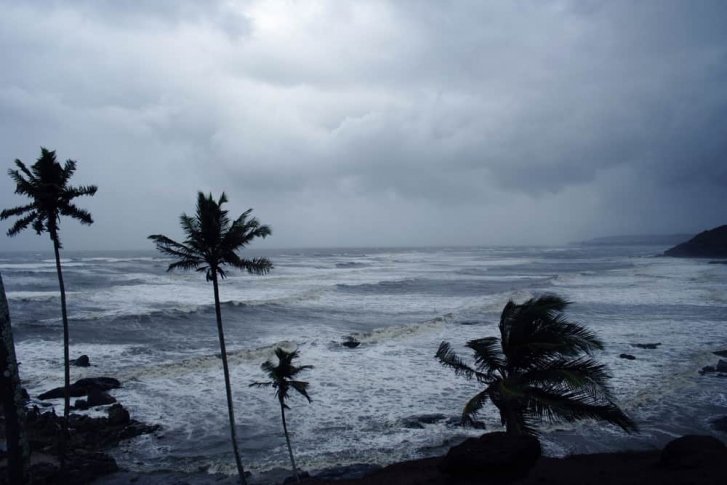
Kerala, May 2026: A recent study examining long-term rainfall patterns suggests that Kerala is experiencing more Southwest Monsoon arrivals in May, instead of the traditionally expected June 1 onset period. Researchers say global warming is likely a major driver behind this change, and the pattern may continue strengthening in the future.
Earlier Monsoon Arrivals Becoming More Frequent
Data from the India Meteorological Department (IMD) spanning 1901–2025 shows that the Southwest Monsoon reached Kerala:
- 57 times during May
- 68 times during June
When researchers expanded the study period back to 1870, covering 156 years of weather records, they found:
- 70 cases of monsoon onset in May
- 86 cases of monsoon onset in June
The trend has become more noticeable in recent decades. Since 2000, Kerala has recorded 14 May monsoon arrivals, pointing toward a rising pattern of earlier onset.
Even with this shift, the average onset date remains close to June 1, with a variation of around six days.
What Is Causing Earlier Monsoon Arrival?
Researchers explain that higher summer temperatures associated with global warming are triggering low-pressure systems over land earlier than usual.
Monsoon winds typically begin from high-pressure areas near Madagascar, cross the equator, and move toward low-pressure zones forming over India.
The study suggests that the earlier development of these low-pressure systems may pull monsoon winds toward the country sooner than expected. Scientists also highlighted changes in heat lows and monsoon trough behavior as possible contributing factors.
Overall Rainfall Falling as Extreme Weather Increases
The study identified several changing weather trends across Kerala:
- Southwest monsoon rainfall is declining by nearly 26 cm every decade
- The number of rainy days is steadily increasing
- Extreme rainfall events are becoming more common in central Kerala and the Western Ghats region of northern Kerala
Meanwhile, coastal areas of Kerala are seeing fewer incidents of extreme rainfall.
Researchers additionally observed:
- A decline in northeast monsoon rainfall
- A slight rise in summer rainfall levels
Kerala’s average annual rainfall stands at nearly 2,920 mm, though rainfall distribution varies significantly across different regions.
Regional Variations in Rainfall Distribution
According to the findings:
- Northern Kerala receives the heaviest Southwest Monsoon rainfall, between 2,300 mm and 3,000 mm
- Rainfall gradually decreases toward central and southern regions
- Certain southern districts receive under 1,500 mm during the Southwest Monsoon season
- Northeast monsoon rainfall remains more concentrated in southern Kerala
Recommendations for Future Climate Adaptation
To address changing weather conditions, researchers suggested several measures:
- District-level climate adaptation strategies
- Improved flood management systems
- Enhanced water storage infrastructure
- Climate-resilient agricultural planning
Researchers believe these measures will be important in helping Kerala adapt to evolving monsoon patterns and future climate risks.