
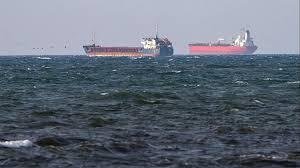
On May 3, 2026, Arrest of Chinese Captain of Russia-linked ‘Shadow Fleet’ Oil Tanker by Sweden territorial waters off the port town of Trelleborg – and the discovery they made onboard the vessel was enough to prompt an arrest, an investigation, and another international crisis point in the escalating European conflict with the shadow Russian sanctions evasion fleet.
The ship’s Chinese captain had been arrested for being accused of possessing fake documents and breaching laws regarding the seaworthiness of the ship. This has been confirmed by the senior prosecutor Adrien Combier-Hogg who said that the Chinese captain would be subjected to an interrogation process. The ship, which is 182 meters long tanker, was found to be lacking proper seaworthiness measures, as well as being without any insurance coverage. The ship, named Jin Hui, appeared on sanction list of the European Union, United Kingdom, and Ukraine; indicating the fact that Europe was already aware of such sanction-breaking ships belonging to Russia.
It wasn’t an isolated event for Sweden. “Earlier today, Swedish Coast Guard boarded another vessel in our territorial waters — the fifth intervention in a short period of time,” Ulf Kristersson, Swedish Prime Minister, wrote on social media. In addition, Sweden had already detained a cargo ship called Caffa in March 2026 after suspicions arose about its transport of stolen Ukrainian grains. Similarly, the Sea Owl I was seized on the suspicion of flying the Guinean flag. “The arrest of the captain of the vessel is the most significant step in legal terms yet, turning this case from seizure of vessels to a full-scale criminal case,” said prosecutor John Anderson.
Read More : The 4 Most Affordable iPhones to Buy in 2026
What Is the Russian Shadow Fleet?
For better comprehension of the importance of the Jin Hui case, it is important to explain the concept of the Russian shadow fleet as one of the key tools used by Russia in economic warfare and sanctions evasion ever since it invaded Ukraine in 2022.
Shadow fleet refers to the secretive fleet consisting of hundreds of old, often uninsured and unregistered oil tankers, which Russia has utilized for delivering its oil to buyers in Asia, the Middle East, and other destinations despite sanctions and G7 price cap imposed on it. Such ships are registered under so-called “flags of convenience,” meaning that they have the flag of the country with a liberal registry system, such as Syria, the Comoros Islands, Guinea, or Gabon.
Ships commonly falsify information transmitted by the Automatic Identification System (AIS), which is required onboard and designed to transmit identification, positions, and destinations of vessels. In order to avoid detection, the ships involved in illegal activity either turn off AIS transponders altogether, thus creating an “AIS gap,” or send out false coordinates, making the ships seem to be hundreds of miles away from their real locations. In 2025, according to a Follow the Money study, Russian-associated ships had 6 times as many “AIS gaps” as did similar European commercial shipping vessels.
As of February 2026, a total of 632 vessels have been classified as being part of the shadow fleet by the EU and have faced port bans and restrictions on service provision. Around 60 percent of Russian oil transported at sea has passed through this system, while many Russian tankers sail along the Baltic Sea – the most vulnerable maritime route of Europe. The number of ships flying false flags in the Baltic Sea increased by fourfold during the latter half of 2025.
Why Sweden Leads the Effort in Enforcement Actions Against Shadow Fleet
The geographical location of Sweden makes it an obvious leader in the enforcement actions against Europe’s shadow fleet. In particular, the Baltic Sea, surrounded by Sweden, Finland, Estonia, Latvia, Lithuania, Poland, Denmark, and Germany, is the major waterway used by Russian oil tankers on their way to their Asian destinations. Trelleborg, from which the Jin Hui was inspected, is located at the southwestern tip of Sweden and controls one of the vital maritime choke points used by vessels of the shadow fleet.
In 2024, Sweden joined NATO, and the Baltic Sea region has turned into NATO’s operating ground for shadow fleet monitoring and the zone with concerns regarding hybrid activities, including suspected sabotage against undersea communications cables, attributed to shadow fleet ships.
Sweden’s Minister of Civil Protection and Preparedness, Carl-Oskar Bohlin, explained the boarding of the Jin Hui ship as follows: it was discovered that the vessel was poorly seaworthy and did not have any insurance. Both conditions represent common features of shadow fleet ships, which are typically old vessels purchased close to their end of life due to low prices and difficult tracing of their ownership records.
It is claimed that the port of destination is unknown, and the cargo is not assumed to have been on board at the time of the interdiction. This is highly important — a ship traveling in Baltic waters without any cargo, without having any proper insurance coverage, flying a presumed fake flag, and whose captain possessed documents regarded as false by Swedish authorities, is definitely a ship that has absolutely no legitimate reasons to be there.
A Continent-Wide Crackdown
The current Swedish initiative is only one example of an enforcement strategy that has become significantly more intense all around Europe.
A groundbreaking move by France occurred when it seized the tanker Grinch in the Alboran Sea, which was flying under the flag of the Comoros Islands, escorted it to Marseille-Fos, levied a heavy penalty, and then released it in January 2026. Belgian and French armed forces executed an operation dubbed Blue Offender in the North Sea. They boarded the tanker Etera, suspecting that it was flying under the false flag and carrying forged documents. The French navy also boarded a Russian-sanctioned ship in the Mediterranean region at the end of January. At the end of 2025, Finnish special forces captured the ship Fitburg in the Gulf of Finland while investigating cable damage. They discovered export-controlled steel on board.
The 20th EU sanctions package imposed on Russia in April 2026 listed 46 additional vessels on the shadow fleet list and identified certain Russian ports (Murmansk and Tuapse) as well as another foreign port in Indonesia due to their involvement in shadow fleet activities. The package also instituted the “no Russia” clause to be included in the EU tanker sale contracts and created a scrapping provision for the removal of vessels from the shadow fleet.
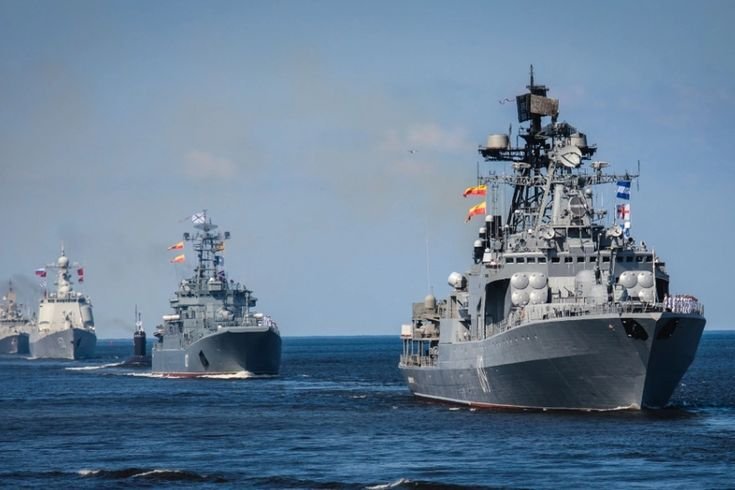
These developments are not being accepted by Russia without a fight. The country has begun registering an increased number of ships under its own flag to gain sovereign immunity for these ships, while at the same time, Russian warships have begun accompanying ships belonging to the shadow fleet of Russia through the English Channel and the Baltic Sea as a tactical maneuver aimed at increasing the political price tag of interception for Europe, which would ultimately be a test for NATO’s solidarity.
The Chinese Angle
With the detention of the Chinese captain of the ship, Jin Hui, the issue gains another dimension. China has not joined the rest of the West in imposing sanctions on Russia; furthermore, ships with Chinese connections or Chinese crews are more likely than ever to feature in the shadow fleets now that Russian energy supplies have shifted focus from their intended recipients to the Chinese market. With a Chinese national acting as the master of a Syrian flagged ship with ties to Russia caught in Swedish waters, it becomes clear just how multinational the shadow fleets really are.
Though it is unknown what the reaction was, the subsequent formal questioning is sure to be under heavy observation, not only from the authorities of Sweden but from the rest of Europe eager to observe any effect that detaining foreigners could have as a threat.
Looking Beyond the Horizon: Environmental Risks and Strategic Implications
In addition to the political aspects, there is a pressing environmental reason for a strong crackdown on shadow fleets. Shadow fleet ships are estimated to be about 18 years old. They usually lack proper insurance coverage. They falsify their trackers and operate with fake documentation. Security experts from the Kyiv School of Economics have repeatedly pointed out that the risk of an environmental disaster, such as an oil spill or ship disintegration, in the Baltic Sea is no longer theoretical but inevitable. The insufficiency of the Jin Hui’s seaworthiness is no longer just a technical issue but an environmental hazard floating along one of Europe’s most vulnerable waterways.
The arrest of the Jin Hui’s captain by Sweden is the latest and strongest indication that Europe considers shadow fleets a security challenge rather than an awkward legal grey area, and it plans to use its criminal legislation as a tool for addressing this challenge.