
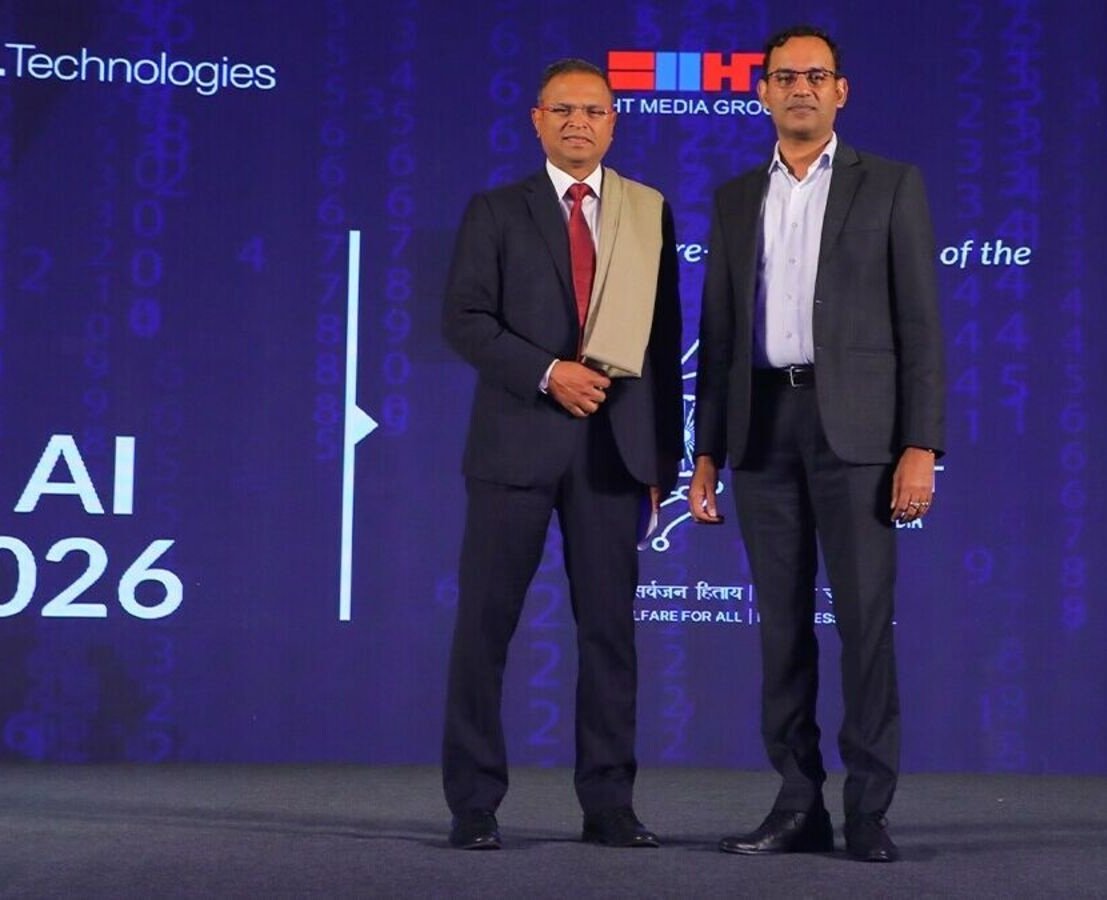
As the influence of Artificial Intelligence (AI) continues to expand rapidly worldwide, many countries are competing to develop the most powerful frontier AI models. However, India may not need to directly compete with nations like the United States and China in this race. According to Dell Technologies executive Satish Iyer, India’s true strength may lie in the development of Sovereign AI – AI systems designed around the country’s own needs, languages, and priorities.
Speaking during the Dell Technologies World event in Las Vegas, Iyer said that future leadership in AI will not be determined solely by creating larger or more advanced models. In his view, long-term success will belong to AI solutions that better understand local requirements, regional perspectives, and cultural diversity.
India has already started moving in this direction through initiatives such as Sarvam AI and BharatGen. These efforts aim to strengthen the country’s AI infrastructure, maintain national control over critical technologies and data, and build India-centric solutions. Their objective is to reduce dependence on global AI ecosystems and create technology tailored to the country’s specific challenges.
However, language-related challenges continue to remain a major hurdle. India officially recognizes 22 languages, yet many leading AI platforms still support only a limited number of them. This could leave millions of people excluded from AI-powered services, particularly in important sectors such as healthcare, education, governance, and financial services.
Iyer also highlighted AI’s potential across various sectors. In healthcare, AI can improve diagnostics and strengthen preventive treatment systems. Agriculture can benefit from smart technologies and data-driven analysis to improve efficiency, while manufacturing may witness productivity gains through intelligent automation. Customer support and operational processes are also expected to see rapid transformation through increased AI adoption.
At the same time, the cost of implementing AI technologies remains a significant challenge for Indian businesses. Many organizations are now looking at ways to reduce infrastructure spending and adopt industry-specific AI models developed within the country.
Iyer also described India’s startup ecosystem as one of the nation’s greatest strengths. According to him, Indian startups have the ability to balance innovation with cost efficiency. They are not only solving complex problems but are also creating impactful technological solutions at lower costs.
Speaking about the future workforce, he emphasized the importance of “systems thinking.” He believes understanding the relationship between technology, business objectives, and data ecosystems will become a critical skill in the future. While AI can automate numerous tasks, broader thinking and contextual understanding will continue to remain among humanity’s greatest strengths.
As AI continues transforming industries around the world, India’s real competitive advantage may not come from building the biggest AI models, but from creating the most practical and locally relevant AI solutions.