
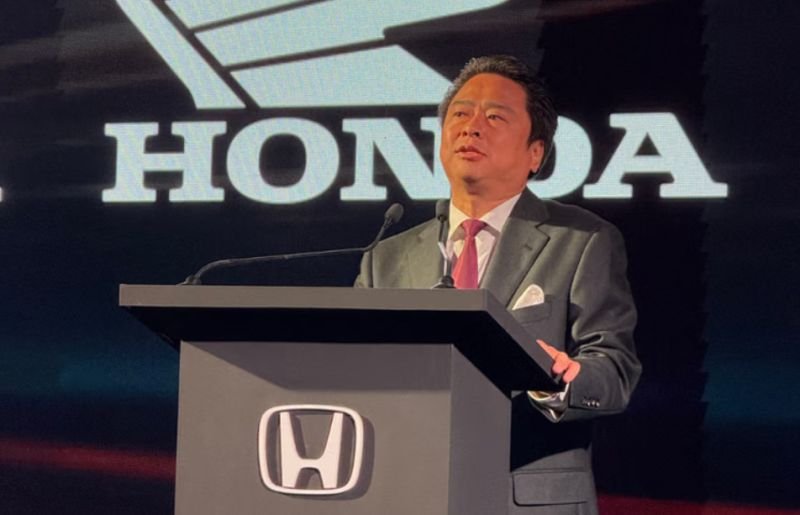
According to senior executives, Honda Cars India is actively exploring new strategic partnership opportunities to strengthen its position in the country’s increasingly competitive passenger vehicle market, reduce costs, and expand its business operations.
When asked about potential collaborations, Takashi Nakajima, President and CEO of Honda Cars India, said the company remains open to new opportunities. He stated, “We are always open to new possibilities. At this moment, we do not have anything more to share.” He further added that Honda is “actively searching for new friends,” signaling the company’s serious intent toward building partnerships in India.
This marks the first time Honda has publicly acknowledged that it is evaluating partnership opportunities in the Indian market. However, Nakajima did not clarify whether these discussions involve technology collaborations, cross-badging arrangements, powertrain sourcing, or supply partnerships with other original equipment manufacturers (OEMs).
Although reports of Honda exploring collaborations with local companies had surfaced earlier, this is considered the first official indication from the company’s leadership. Such partnerships could help Honda enhance manufacturing efficiency, strengthen localisation efforts, and expand its product portfolio. The company currently operates manufacturing plants in Greater Noida and Tapukara, Rajasthan.
Following years of declining market share and a limited product lineup, Honda is now redesigning its India strategy. At present, its lineup includes models such as the Elevate SUV, City sedan, and Amaze, but the company remains absent from several major and high-volume segments, especially the sub-4-metre SUV category.
Globally, Honda recently admitted that its traditional “global standard” product strategy had not fully aligned with the preferences of Indian consumers. The company now considers India one of its three key global markets alongside North America and Japan. Honda plans to introduce India-focused models starting in 2028, including products in the sub-4-metre and midsize SUV segments.
Honda’s partnership strategy also reflects a growing trend across the automotive industry, where global manufacturers increasingly rely on collaborations to reduce costs, share technologies, and accelerate product development. In India, partnerships such as Suzuki–Toyota, Renault–Nissan, and Tata Motors–Stellantis have already demonstrated the success and benefits of this collaborative approach.